Materials for working studios
Every tool states its limits.
Brushes, paper, panels, graphite and studio hand tools. Every one publishes its full specification — what it is made of, its exact dimensions and weight, how to look after it, and what it will not do. Including the ways yours will differ from the one shown.
Free shipping over $75 · Ships in 3–6 business days · All prices in USD
Measured, not estimated
Head width in millimetres, paper in gsm, panels with a flatness tolerance.
The full specification
Composition, dimensions, weight, surface and care — on every product.
Packed to arrive flat
Sheets in rigid board, panels corner-protected, brushes in head protectors.
30-day returns
Unused and in original packaging, on a prepaid label. No restocking fee.
Where most tables start
A place to start
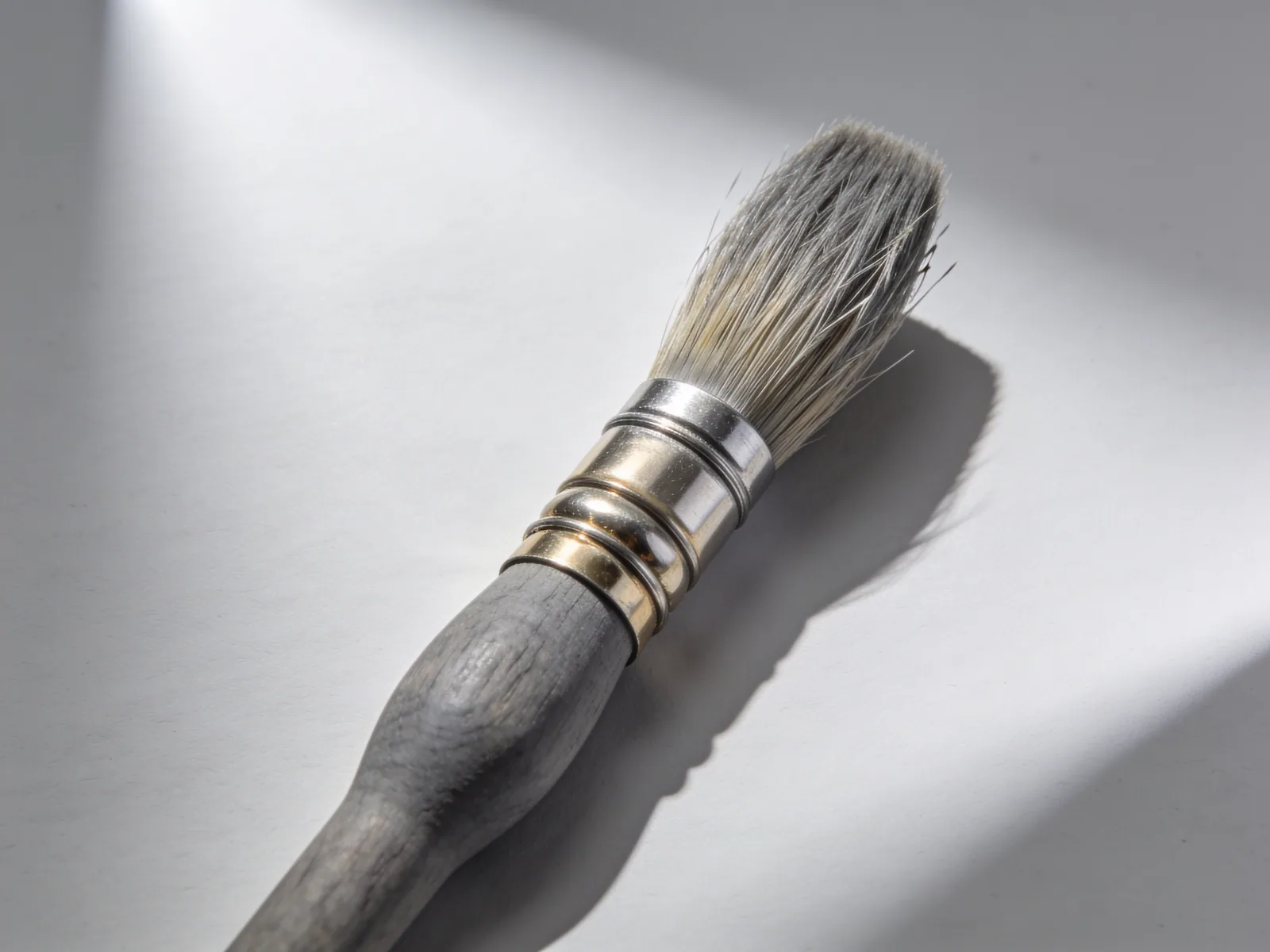
Ashfield Filbert 12
Hog bristle, 12 mm head, unlacquered ash handle
$24.00
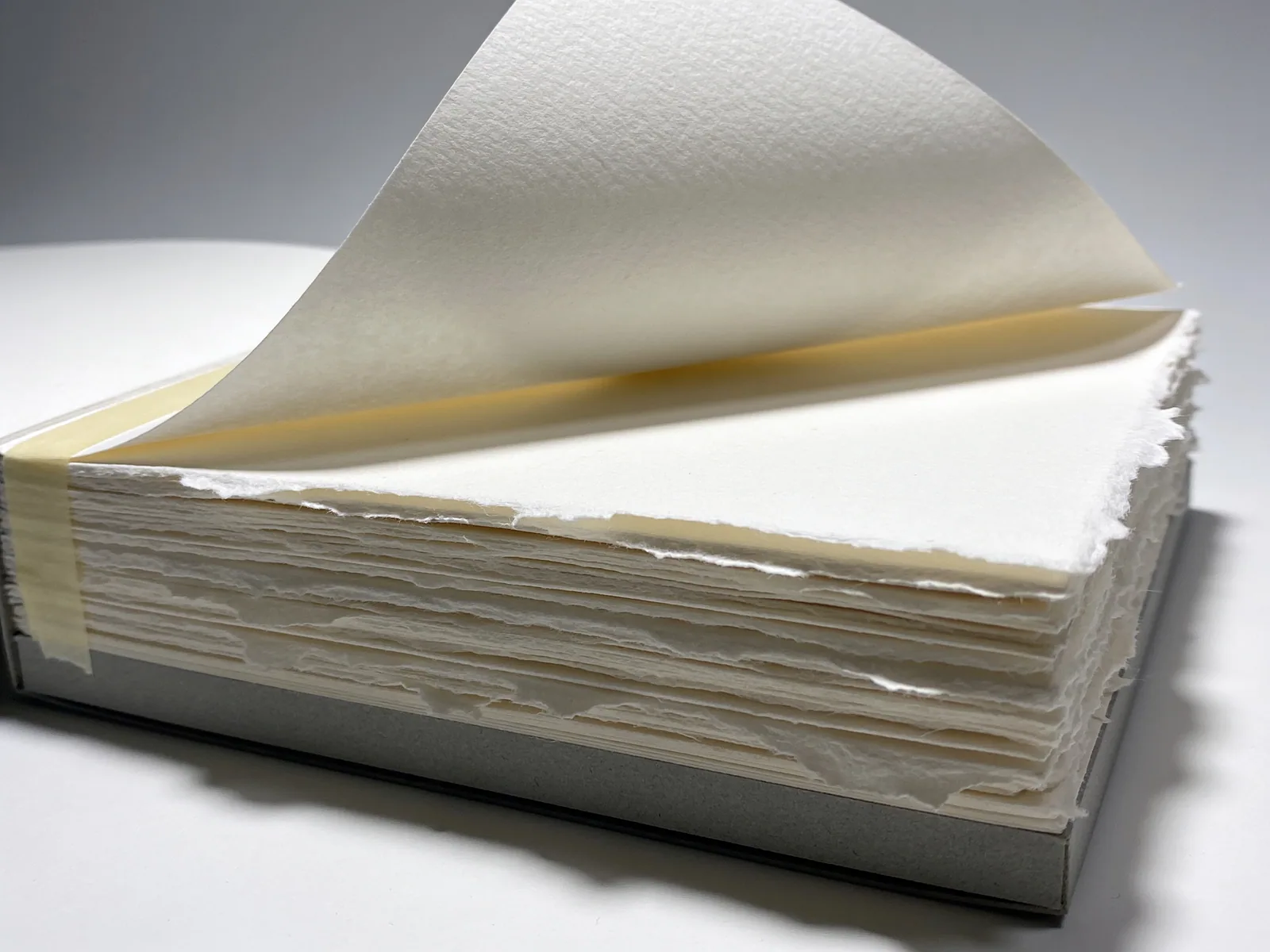
Marlow Rag Block 300
100% cotton, 300 gsm, cold-pressed, 20 sheets gummed
$46.00
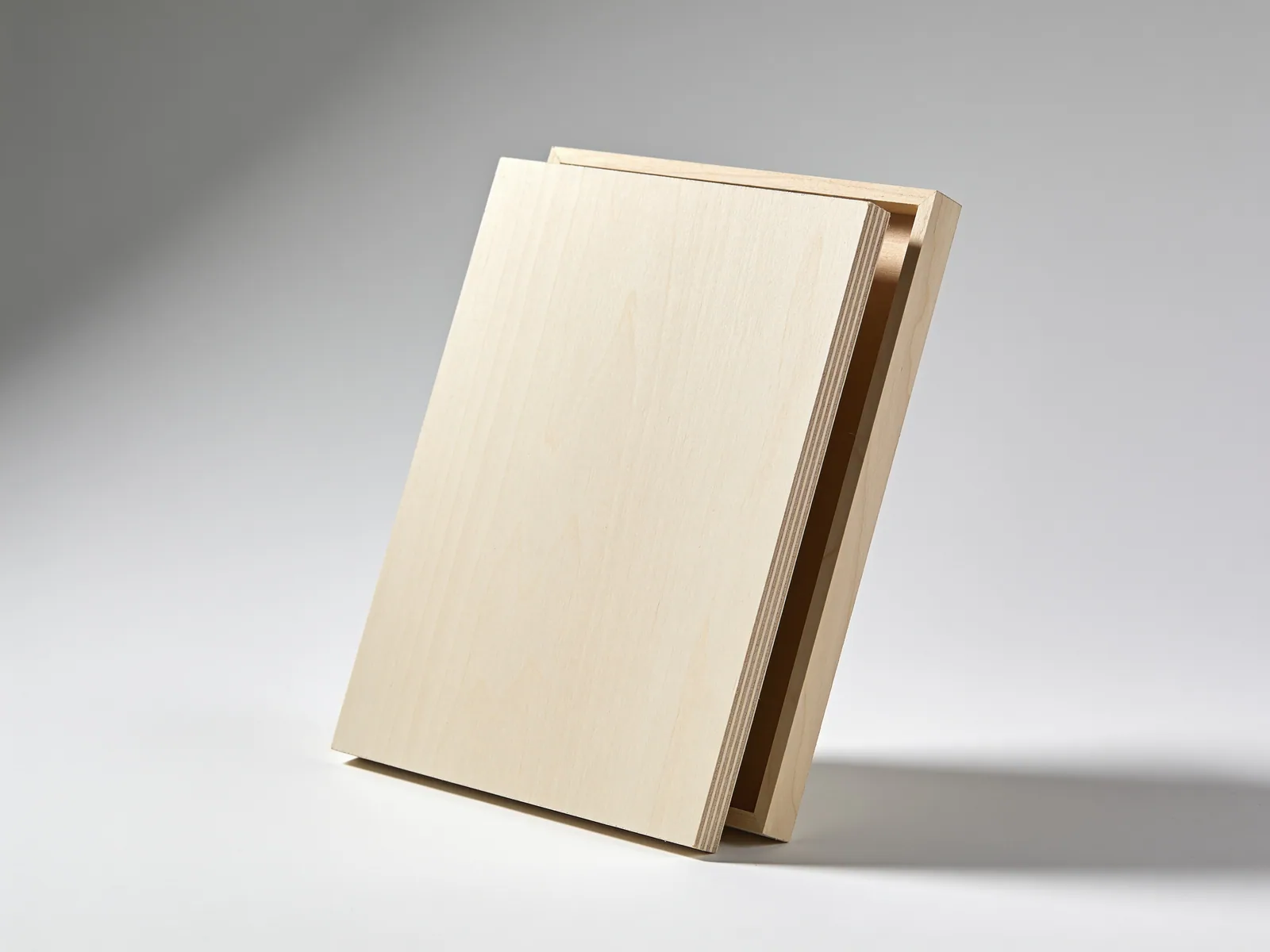
Derwent Cradled Panel 8 × 10
Void-free birch, 22 mm ash cradle, sanded face
$22.00
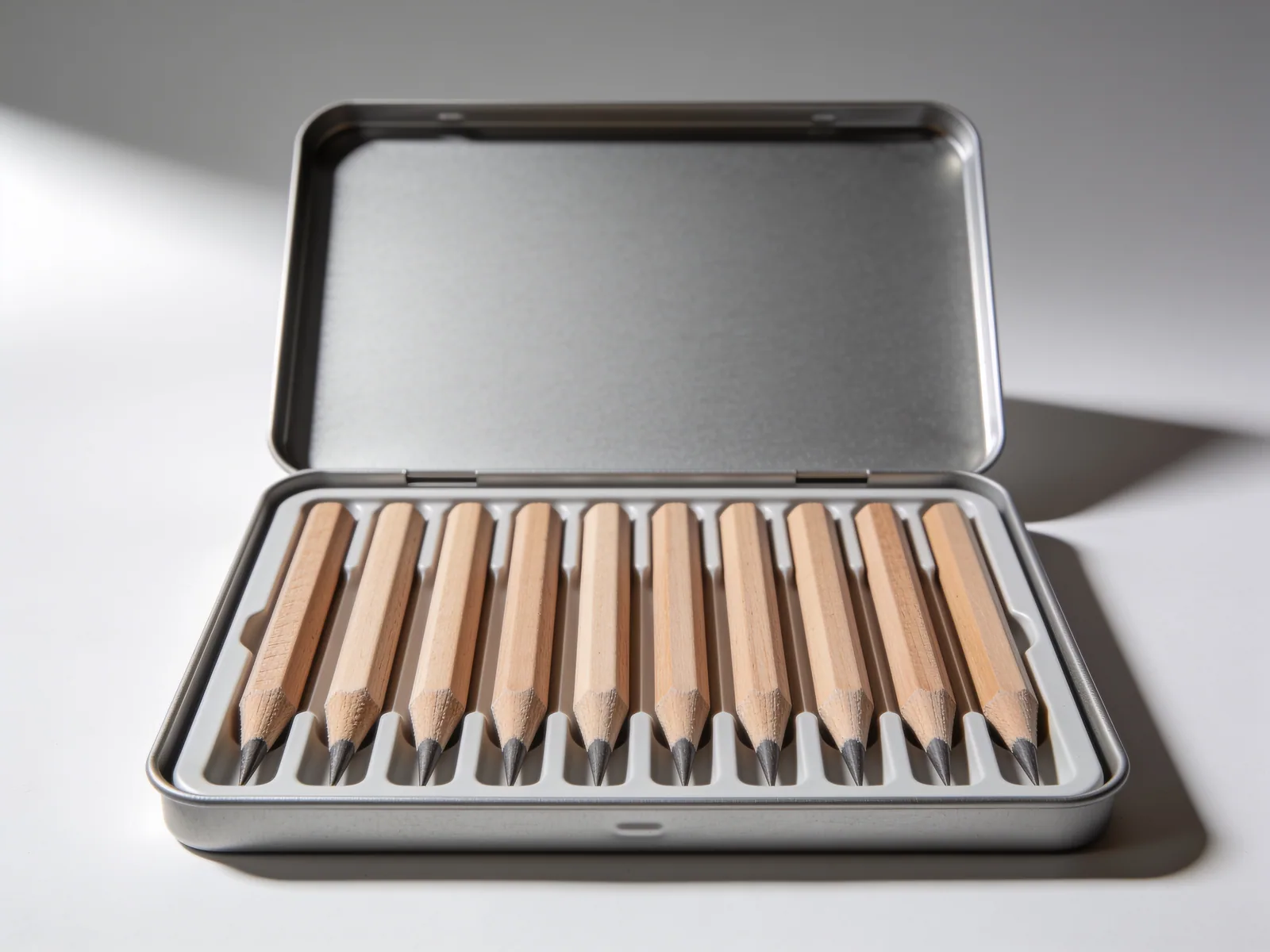
Holloway Graphite Set
Twelve graded pencils, 4H to 8B, cedar cased, in a tin
$34.00
The specification
Three things every product page tells you.
Most shops tell you a brush is professional quality. We would rather tell you the head is 12 millimetres wide and 19 out of the ferrule, that it weighs 18 grams, and that it will shed for its first few washes. You can decide about professional yourself.
Read the materials- What it is made of
- The hair, the fibre, the laminate, the steel — named precisely enough that you can check it. Not “premium quality”, which tells you nothing and commits us to nothing.
- Exactly how big, exactly how heavy
- Head width in millimetres, sheet size and gsm, panel dimensions with a stated flatness tolerance. Enough to replace an item years later and get the same thing.
- What it will not do
- The block most shops leave out. Where a brush splays, where a sheet cockles, where steel spots — stated before you buy, so what arrives is what you expected.
6 categories, 20 items
By category
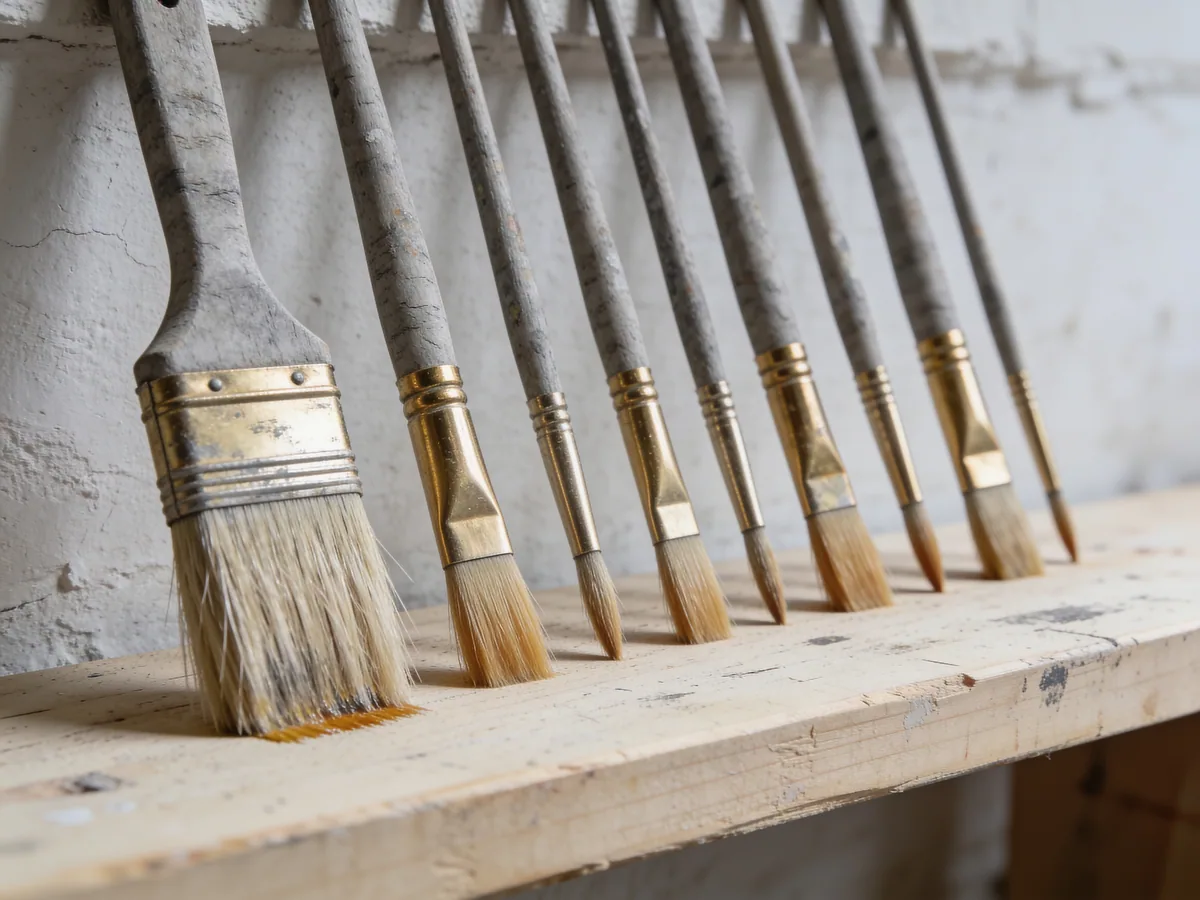
Brushes
Hog bristle and synthetic sable in seamless nickel ferrules, set in unlacquered ash. Sized by head width in millimetres rather than by a house numbering scheme nobody can convert.
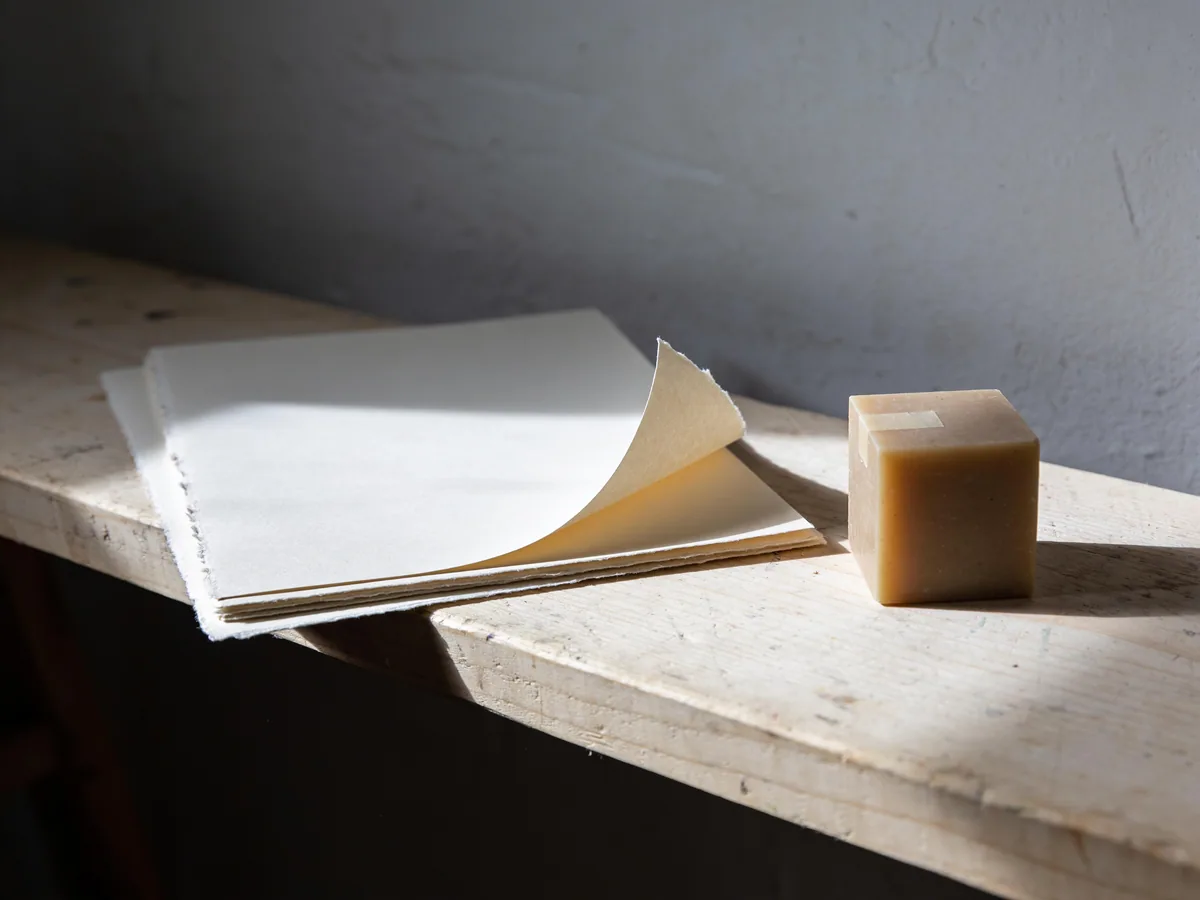
Paper
Cotton-rag sheets and blocks, internally and surface sized. Every sheet states its gsm, its sizing and how it behaves under a heavy wash.
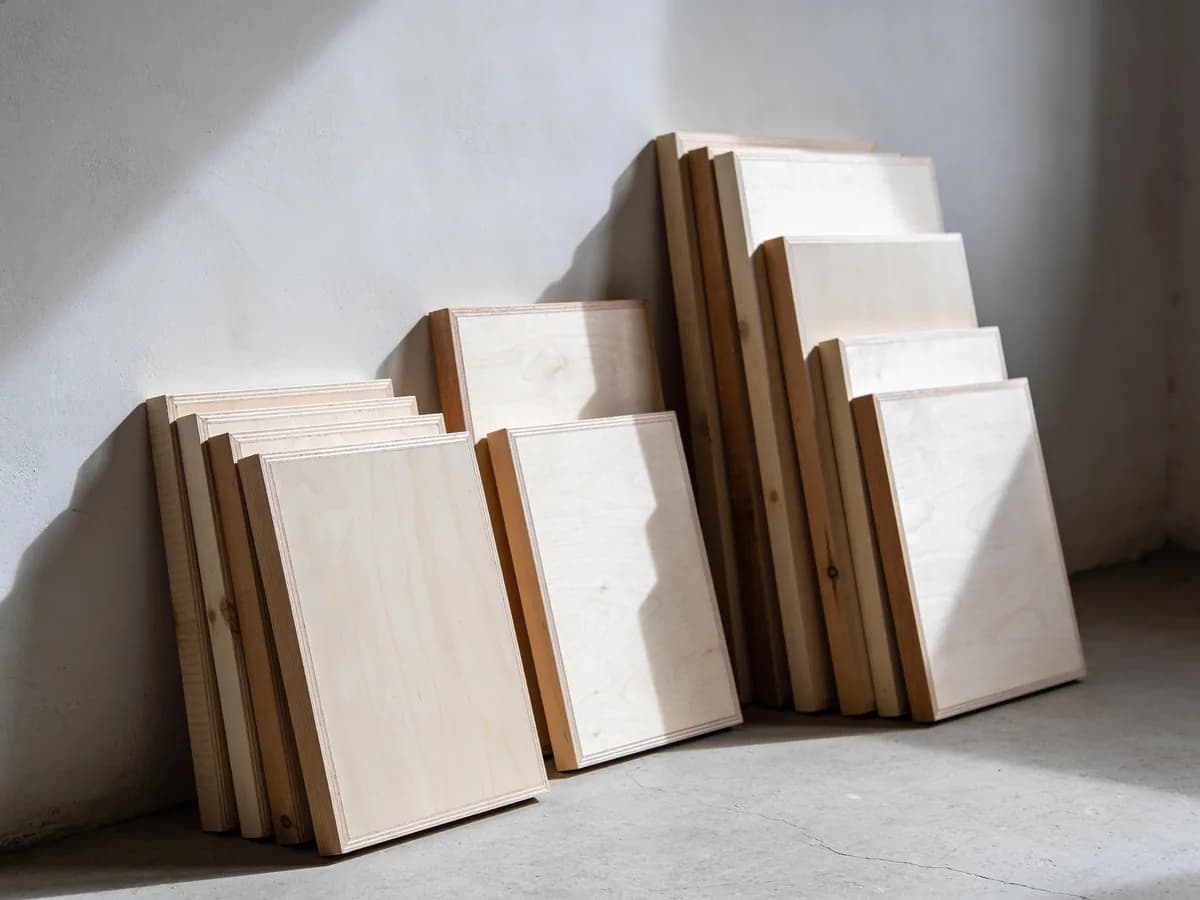
Panels & Boards
Cradled birch ply, sanded and ready for a ground, plus uncradled boards for smaller studies. Flatness tolerance is stated on every panel.
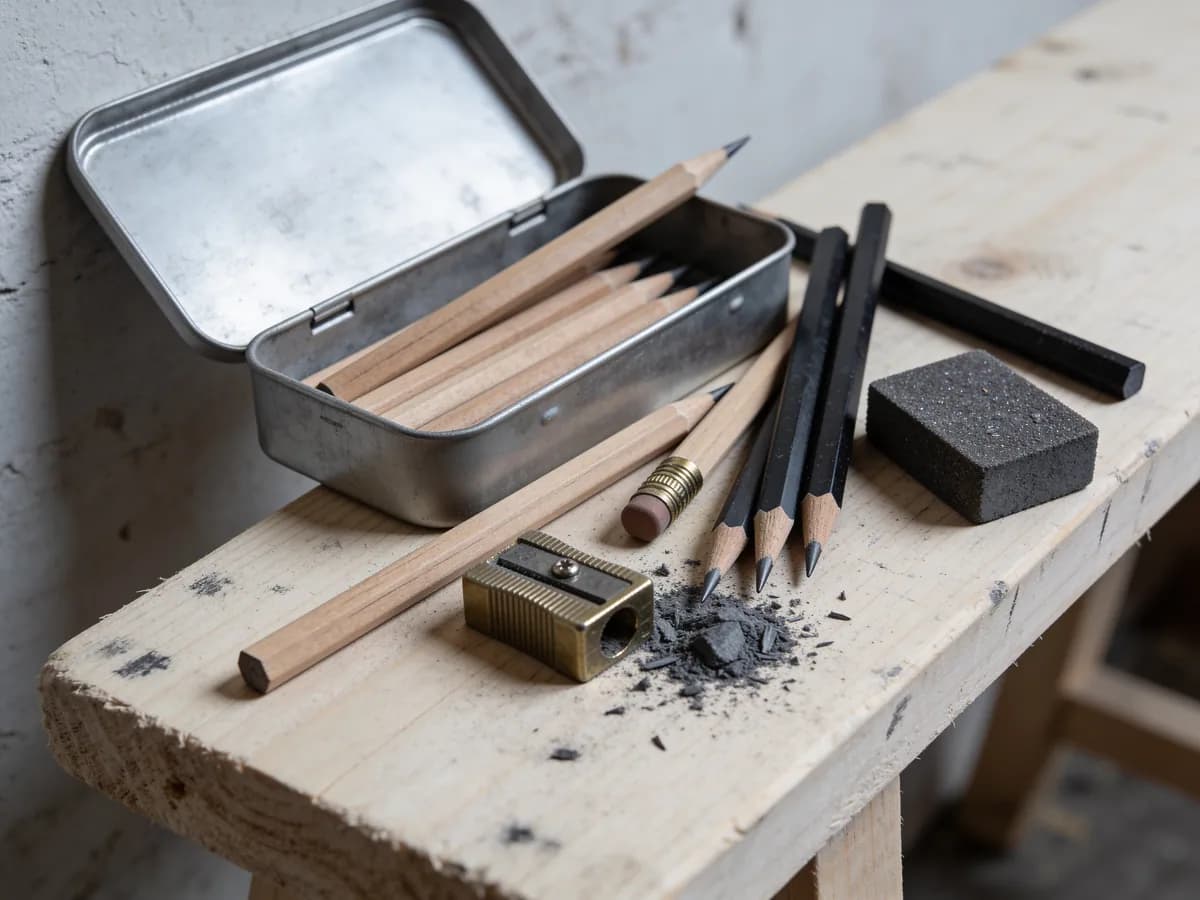
Drawing Tools
Graphite in graded sets, compressed charcoal, and the holders and sharpeners that go with them. Grades are measured, not approximated.
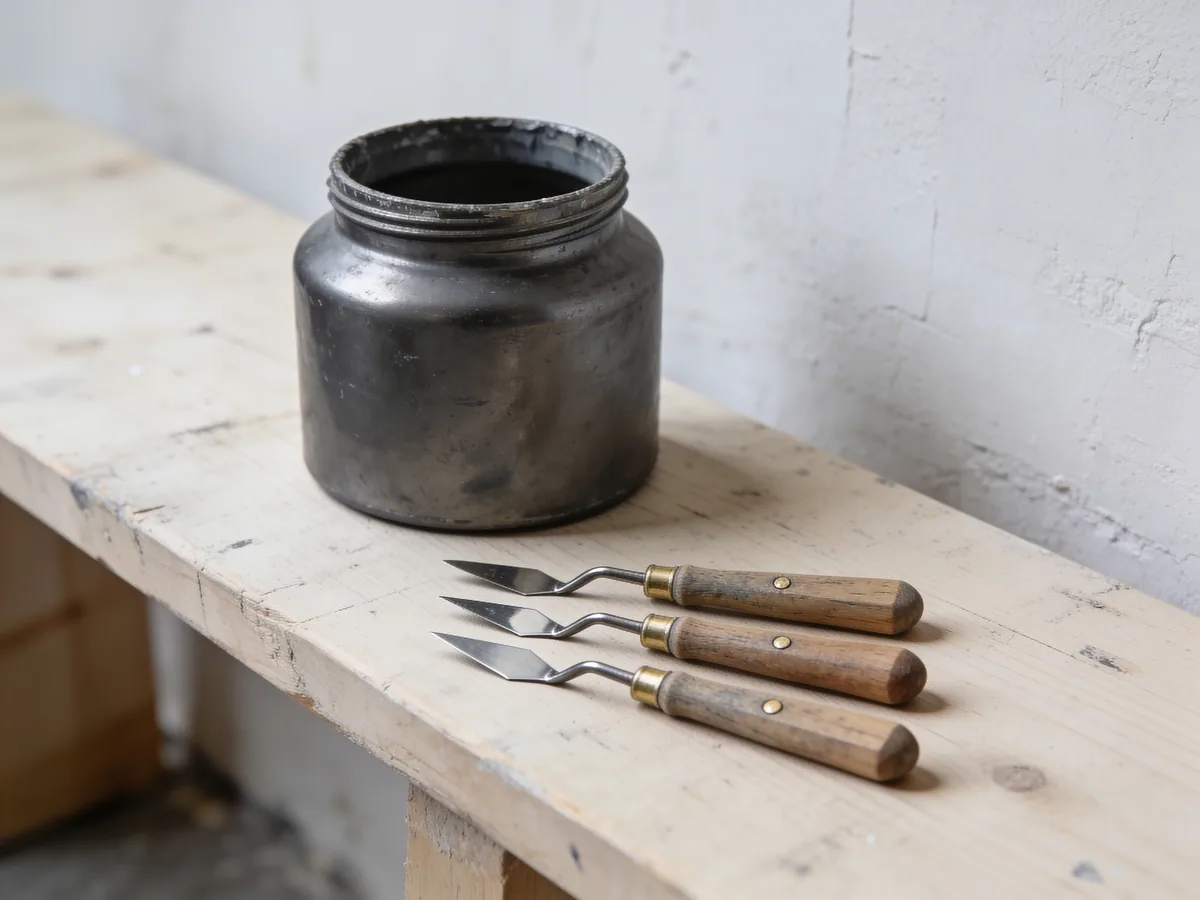
Studio Tools
Palette knives, scrapers, brush washers and tool rolls. The hardware that stays on the bench and has to survive being used every day.
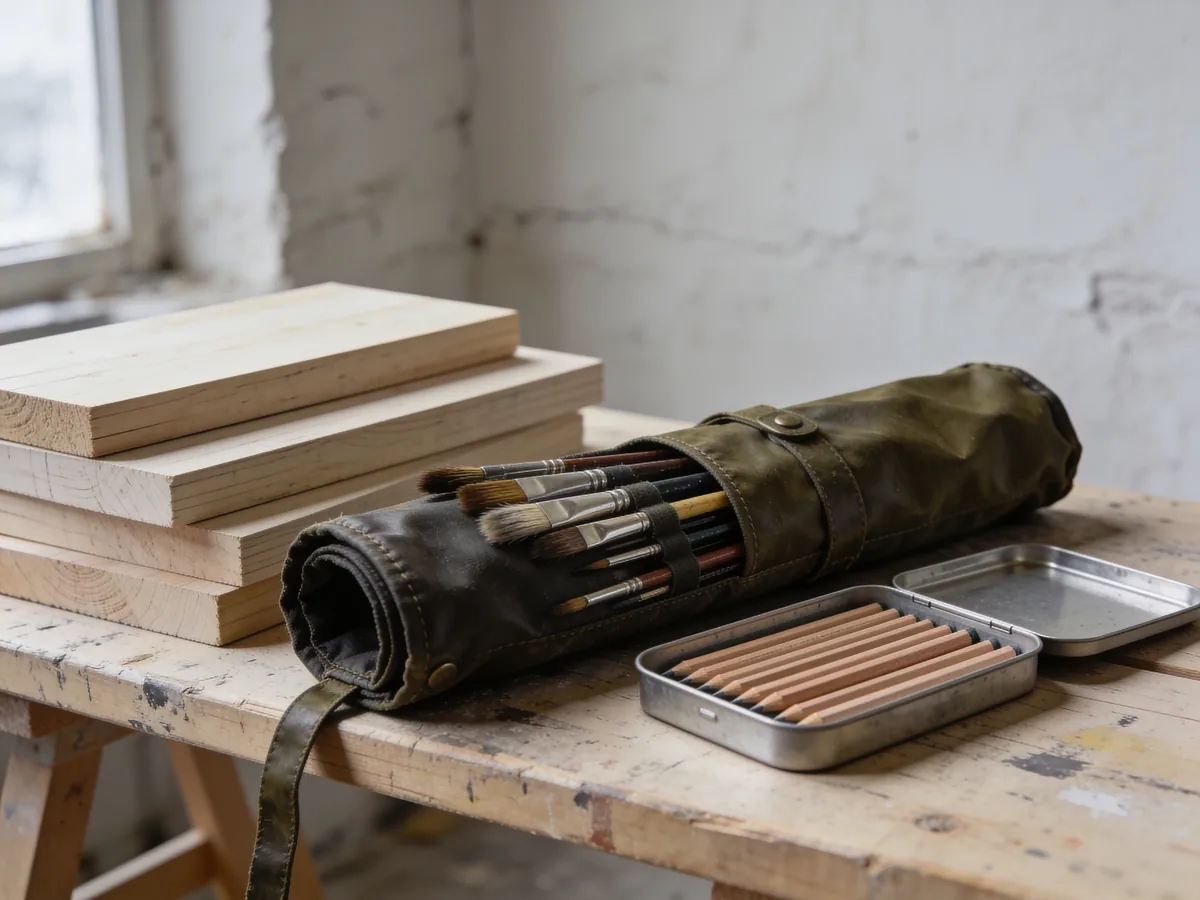
Sets
Working kits, priced below the sum of their parts. Every set lists exactly what is inside it and what each item costs separately.
How an item gets here
Four stages, and the numbers survive all of them.
Everything that decides whether a tool is worth owning happens in these four steps. Knowing what they are is the difference between receiving a material that behaves as described and receiving one you think is flawed.
- 1
Specified
Head width in millimetres, paper in gsm, panels with a flatness tolerance. We write the number we will be held to rather than the one that sounds best.
- 2
Sourced
From the workshop that is best at that one thing — brush heads in Bavaria, paper in Somerset, graphite in Nuremberg, steel in Sheffield. Nobody is good at all four.
- 3
Finished
Handles turned, panels cut and cradled, rolls cut and sewn in our own workshop. Finishing here is why we can state a tolerance rather than repeat a supplier's.
- 4
Measured
Every specification on the site was measured on the item, in the units it is published in. Grades are checked against a reference set so a replacement matches.
7 materials
We work in a short list of materials.
Seven materials, chosen because each does something the others cannot. Hog bristle carries a load, synthetic holds a point, rag paper takes a lifting, steel keeps an edge. Nothing here is a substitute pretending to be something else.
How each one behavesHog Bristle
Stiff natural bristle with a naturally split tip, which is what lets it carry and release heavy body colour. It sheds a little for its first few washes and softens permanently with use — both are normal and neither is a fault.
Synthetic Sable
Tapered polyester filament that holds a point and springs back wet. It has less colour-carrying capacity than natural hair and more snap, and it is unaffected by the solvents that degrade natural hair over time.
Cotton Rag
100% cotton, acid-free and internally sized, then surface sized so the surface takes repeated lifting without pilling. Sheets are mould-made with two true deckles and two torn edges.
Birch Ply
Void-free birch laminate with a sanded face, cradled in solid ash on the deeper panels. Grain figure differs from panel to panel and will read through a thin ground unless you build it up.
Graphite
Graphite and clay, pressed and kiln-fired, with the clay fraction setting the grade. Our grades are measured against a reference set rather than matched by eye, so an H here is the same H next year.
Tempered Steel
Hardened and tempered carbon steel, hand-finished and left unplated. It takes and keeps a working edge far better than stainless, and in exchange it will spot with rust if it is put away wet. Wipe it dry and it outlasts you.
Waxed Canvas
Heavy cotton duck, paraffin-waxed for water resistance. It marks and creases readily and the wax will transfer onto a light surface in heat — that patina is the material behaving normally, not wearing out.
30-day returns
Unused and in original packaging, on a prepaid label we send you. Refunded within 5 business days of reaching us.
Free shipping over $75
Standard delivery in 3–6 business days. Tracking on every order.
Arrived damaged
Send a photograph within 14 days. Replaced or refunded in full including shipping — and nothing to post back.